
How Social Relationships Influence Language Use in Indonesian Workplace
One of the most important cultural aspects of professional Indonesian is how language changes based on relationships. Unlike some business cultures that expect one consistent professional style, Indonesian workplaces use flexible language depending on social distance and familiarity.
Communication is relational
In Indonesian culture, communication is relational. Language is used to manage respect, trust, and hierarchy. This means that professional Indonesian is not a single fixed style, but a range of styles that adjust to context.
For example, an employee may use very formal Indonesian when speaking to senior management or external partners. The same person may use a slightly more relaxed tone with colleagues they work with every day. With close teammates, language may become even more informal, while remaining respectful.
This does not mean professionalism disappears. Instead, it reflects trust and closeness. Using overly formal language with someone you know well can feel distant or unnatural. On the other hand, using casual language too early can feel disrespectful.
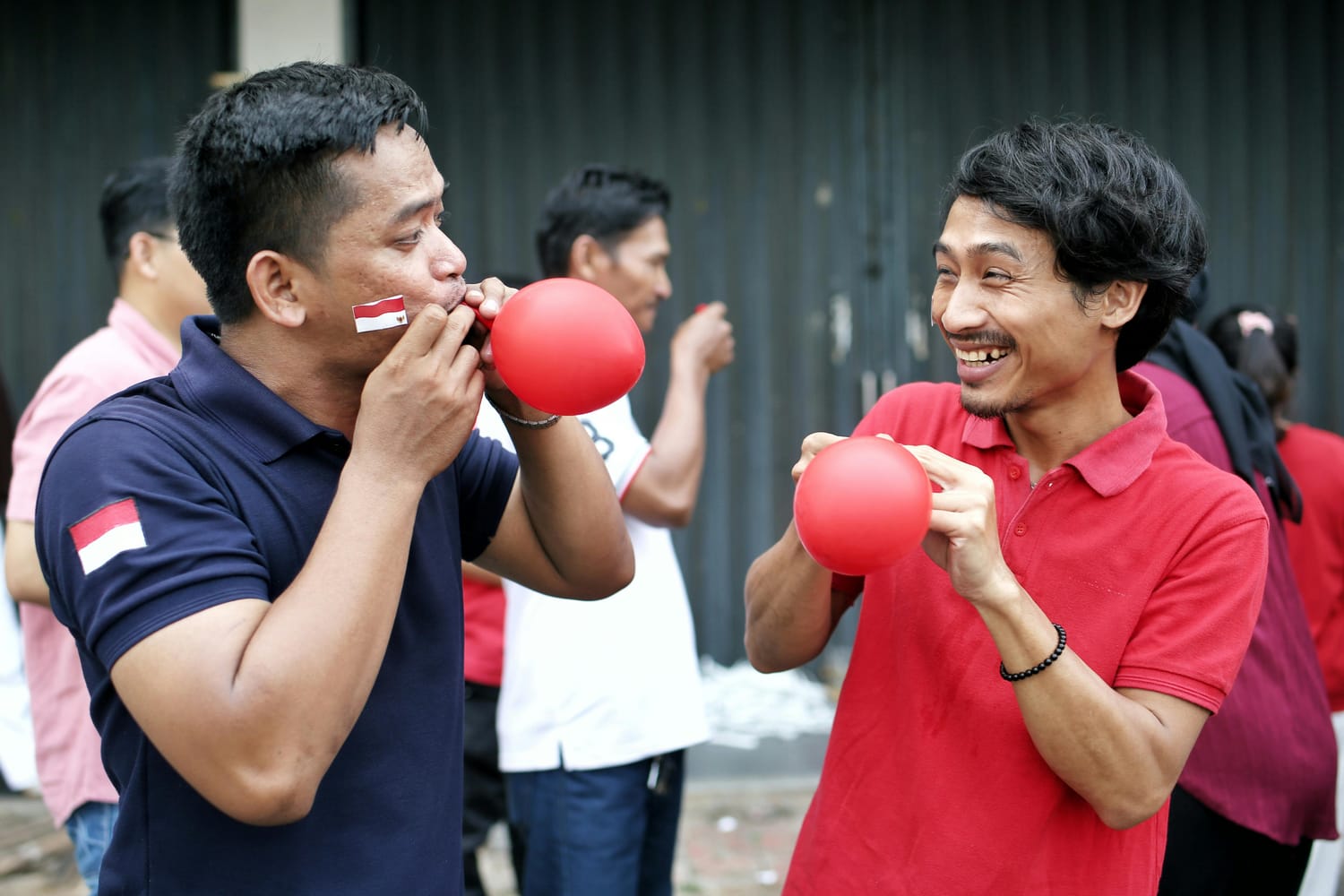
Indonesian is a relationship-based language
This flexibility is rooted in Indonesian cultural values such as harmony and social awareness. Language helps maintain balance. Speakers constantly adjust their tone to avoid discomfort or misunderstanding.
For learners of Indonesian, this can be confusing. Many expect clear rules about what is formal and what is not. In reality, context matters more than fixed categories. The safest approach is to begin with formal Indonesian and observe how others speak. As relationships develop, language often becomes less formal naturally.
Understanding this relationship-based language use helps international professionals avoid common mistakes. It also helps them sound more natural and culturally aware.


Are you seeking for an advanced Indonesian course?
Get the Indonesian Affixation Course
For Professional and Institutional Use
© 2026. LEARN INDONESIAN WITH OSSI. ALL RIGHTS RESERVED. Cookie Policy (EU). Legal Notice.