
Why Politeness Shapes Professional Indonesian Communication
When learning Indonesian for professional use, many learners focus on grammar, vocabulary, and sentence structure. While these are important, politeness is just as central to professional Indonesian communication. In Indonesia, how something is said often matters as much as what is said.
Cultural values
Indonesian culture places strong value on respect, harmony, and social balance. These values directly shape how language is used in professional and institutional settings such as offices, universities, government agencies, and formal organizations. Professional Indonesian reflects this cultural mindset through polite expressions, careful wording, and indirect communication.
One clear example is pronoun choice. In professional Indonesian, speakers use saya for “I” and Anda for “you.” These forms show respect and professionalism. Casual pronouns commonly used in daily speech are avoided in emails, reports, and formal meetings. This choice immediately signals that the speaker understands professional norms.
Politeness also appears in how requests and instructions are phrased. Direct commands are uncommon, especially in writing. Instead of telling someone what to do, Indonesian professionals often soften their message using polite phrases such as mohon (kindly request) or dapatkah (could you). This does not mean the message is weak. On the contrary, it shows emotional awareness and respect for the relationship.
Understanding politeness as a cultural principle
Another key feature is tone. Professional Indonesian avoids emotional or confrontational language. Even when discussing problems, delays, or disagreements, the language remains calm and solution-focused. This approach helps maintain good working relationships and prevents unnecessary tension.
For international learners, this style may feel indirect or overly formal at first. In cultures that value directness, polite phrasing may seem unclear. However, in Indonesian professional contexts, politeness increases cooperation. A respectful message is more likely to receive a positive response.
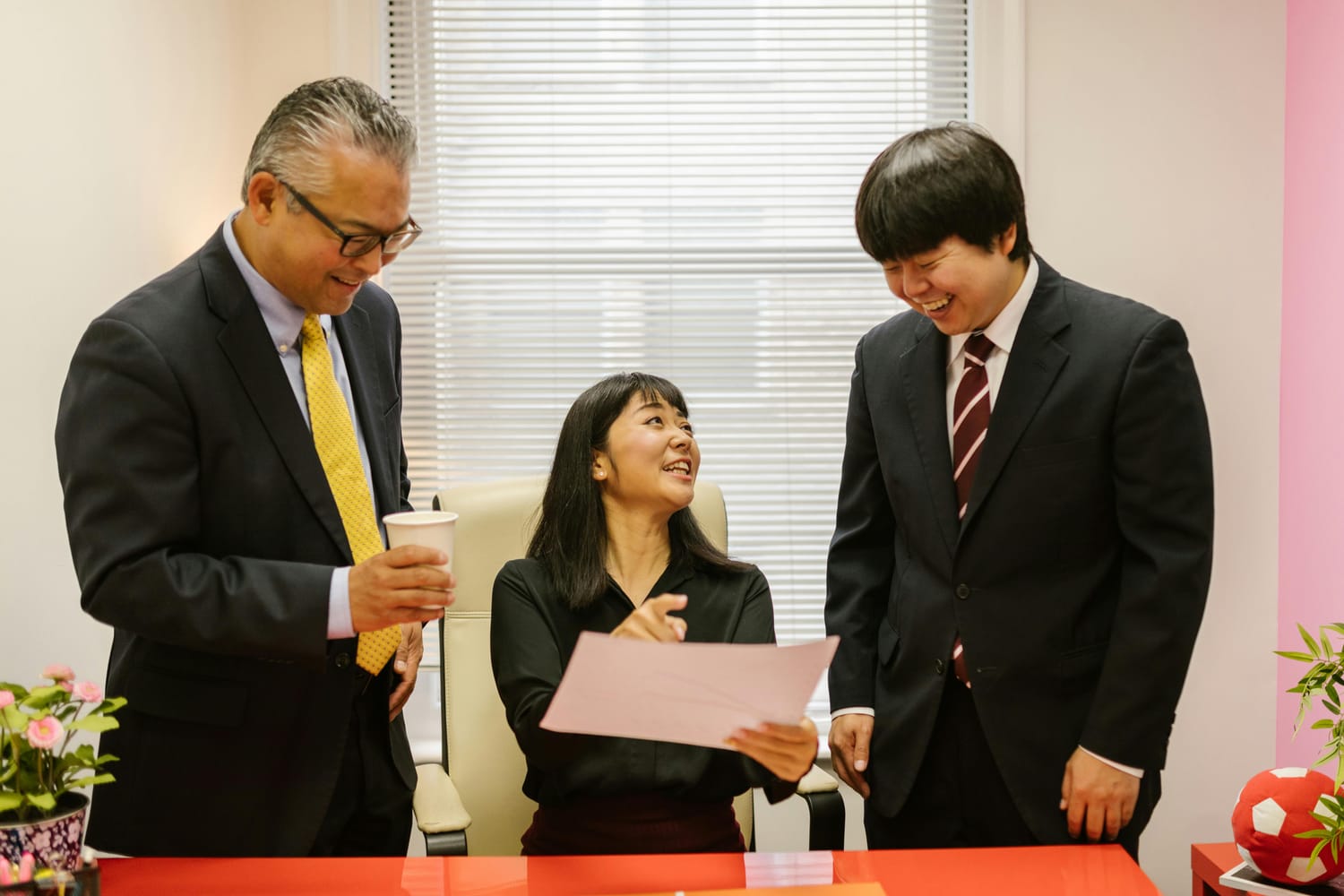
Understanding politeness as a cultural principle rather than a grammatical rule is essential for mastering professional Indonesian. When learners adjust their tone, not just their vocabulary, they communicate more effectively and build trust in professional environments.


Are you seeking for an advanced Indonesian course?
Get the Indonesian Affixation Course
For Professional and Institutional Use
© 2026. LEARN INDONESIAN WITH OSSI. ALL RIGHTS RESERVED. Cookie Policy (EU). Legal Notice.